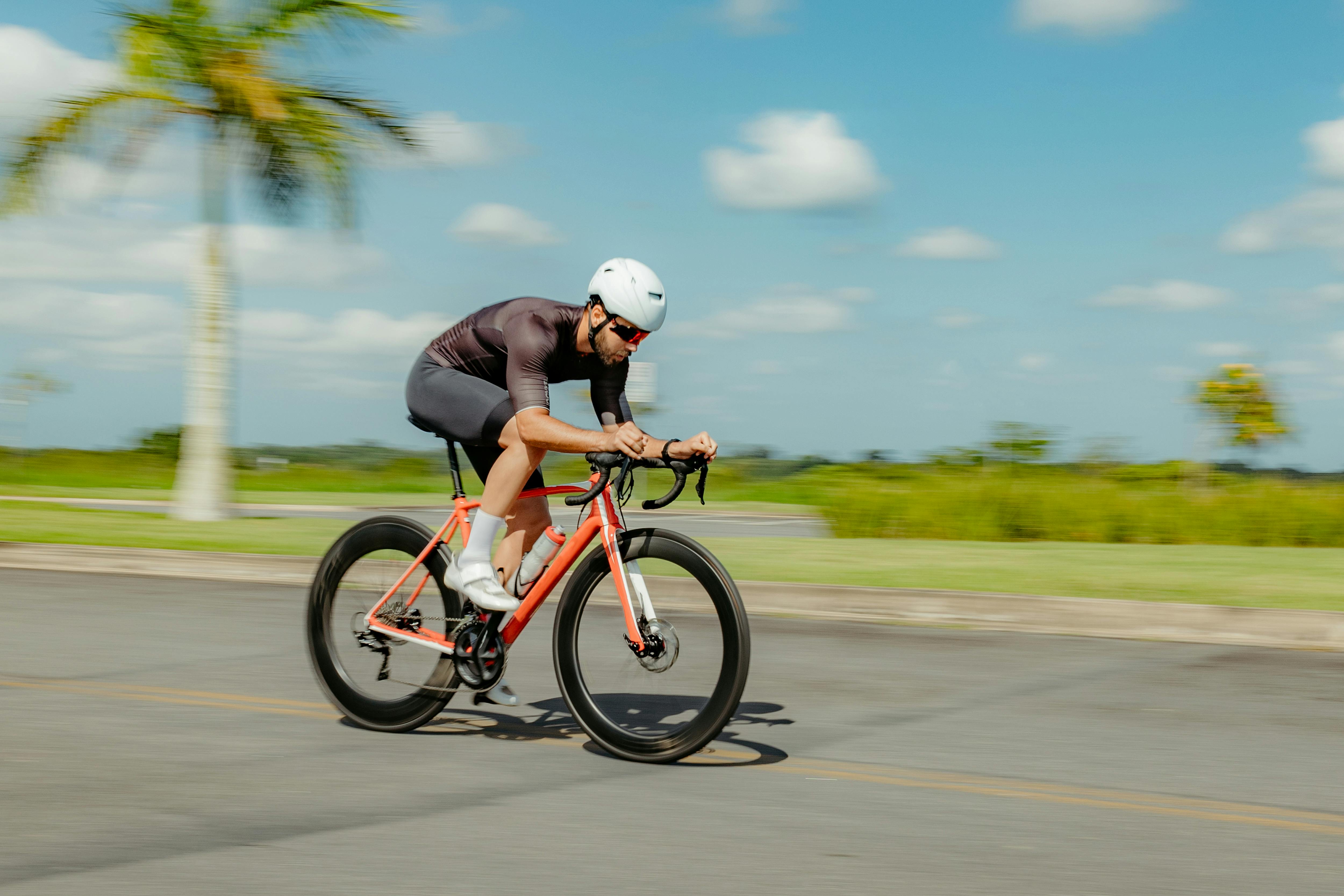
Proper running form is essential for maximizing performance and minimizing the risk of injury. Mastering good technique can make running more efficient and enjoyable, allowing you to unlock your full potential. In this blog post, we will delve into various aspects of proper running form that can significantly improve your overall experience.
We'll explore the Pose Method of Running, which emphasizes maintaining good posture while engaging core muscles and leaning slightly forward from the waist. Additionally, we will discuss key aspects such as gaze direction, shoulder relaxation, arm swing mechanics, knee bending techniques, and building core strength for better posture.
Furthermore, coordinating breathing patterns with foot rhythm plays a crucial role in achieving optimal running cadence. We will also cover how to choose appropriate footwear based on gait analysis and foot strike patterns while avoiding overstriding and heel striking. Finally, you'll learn some effective exercises that can help enhance your running technique for improved form.
The Pose Method of Running
The Pose method of running is a technique that emphasizes good posture, core engagement, and a slight forward lean from the waist. This approach promotes fluidity in stride, reduces joint impact, and increases energy efficiency for runners at all levels.
Maintaining Good Posture While Engaging Core Muscles
To achieve proper running form using the Pose method, it's essential to maintain an erect posture with your head aligned over your shoulders and hips. Engage your core muscles by drawing in your belly button towards your spine to provide stability while you run. A strong core helps support an upright position and prevents slouching or leaning too far forward.
Leaning Slightly Forward From The Waist To Improve Form
In addition to engaging the core muscles, adopting a slight forward lean from the waist can further enhance running economy. By shifting your center of gravity slightly ahead of you as you run, this allows for more efficient use of gravitational forces during each step. It's important not to bend excessively at the waist; instead aim for a subtle tilt that feels natural without straining any part of your body.
Mastering these elements will help improve overall running form, making it easier to maintain good posture throughout long runs or races while reducing injury risk due to poor mechanics. Give yourself time to adapt gradually by incorporating these principles into shorter training sessions before progressing onto longer distances or faster speeds.
Improve your running efficiency and reduce injury risk by avoiding overstriding and heel striking. Focus on proper posture, cadence, and foot placement. #ProperRunningForm #EnduranceAthletes
— Coach Stephanie Holbrook (@sholbk) May 23, 2023
Key Aspects of Proper Running Form
These elements contribute to efficient strides that minimize injury risk and enhance overall performance.
Keeping Your Gaze Forward About 10-20 Feet Ahead
Maintaining a forward gaze helps you stay focused on the path ahead while promoting an erect posture. This prevents unnecessary strain on your neck and shoulders during runs.
Relaxing Shoulders Down with Shoulder Blades Squeezed Together
Proper shoulder positioning is crucial for good running form. Keep your shoulders relaxed and down while squeezing your shoulder blades together to maintain stability in the upper body.
Swinging Arms in a Forward-to-Backward Motion with Elbows Tucked into Sides
Your arm movement pattern during runs can significantly impact efficiency. Swing arms from front to back without crossing over the chest area, keeping elbows close to your sides at all times.
Bending Knees While Keeping Them Low to the Ground
By incorporating these key aspects into your running technique, you can achieve better form and enhance overall performance in no time.
"Maximize your running potential with proper form! Keep your gaze forward, shoulders relaxed, arms swinging and knees low for efficient strides. #runningtips #endurancecoach"
— Coach Stephanie Holbrook (@sholbk) May 23, 2023
Building Core Strength for Better Posture
Developing strong core muscles is essential for maintaining an upright posture during runs. A solid core foundation not only contributes to achieving ideal running form but also helps prevent injuries and enhances overall performance. Incorporate targeted exercises into your training routine to build the necessary strength.
#### Importance of Core Strength in Maintaining Proper Running Posture
A strong core allows runners to maintain good form by keeping their torso stable and erect, which in turn reduces strain on the lower back and hips. This stability enables efficient energy transfer through each stride, improving both running economy and speed.
#### Examples of Effective Core Exercises for Runners
Remember, proper running form is essential for runners, cyclists, and triathletes. Good running form includes maintaining an erect posture, a high running cadence, and a forefoot strike. Poor running form can lead to injuries and decreased performance. By building core strength and incorporating proper running technique, you can make running easier and run faster like elite runners.
Coordinating Breathing Patterns with Foot Rhythm
Enhance your overall running form by coordinating breathing patterns with foot rhythm. Aligning breaths with steps can help maintain consistent cadence rates and promote greater efficiency throughout each run session. Focusing on this part of good running form can help you to increase speed, optimize performance, and maximize each stride.
Methods for syncing breathing patterns with foot strikes
To further enhance coordination between breathing patterns and foot rhythm, consider incorporating exercises like yoga or Pilates into your training routine as they emphasize controlled movements paired with focused breathwork. Additionally, pay attention to maintaining an erect posture while engaging core muscles - these elements are essential in achieving good running form alongside synchronized respiration techniques.
Choosing Appropriate Footwear Based on Gait Analysis
Selecting the right shoes for your running style is crucial in maintaining proper running form and preventing injuries. Appropriate footwear not only provides comfort but also supports your unique biomechanics, which can significantly impact overall performance. One way to determine the best shoe type for you is through a professional gait analysis.
A gait analysis evaluates an individual's walking or running pattern by examining factors such as foot strike, stride length, and pronation. This assessment helps identify any imbalances or inefficiencies that may contribute to poor running form or injury risk. By understanding their gait cycle, runners can choose the most appropriate shoes to suit their needs; such as neutral shoes for those with normal arches and little overpronation, or stability shoes for mild-to-moderate overpronators with low-to-normal arches.
In addition to gait analysis findings, consider factors like terrain (road vs trail), preferred distance (short sprints vs long runs), and personal preferences when choosing appropriate footwear. Remember that investing in quality shoes designed around your specific biomechanical requirements will ultimately enhance good running form and promote better performance outcomes.
Cadence and Foot Strike Patterns: Boost Your Running Efficiency
Achieving good running form necessitates finding the right cadence, or how many steps taken in a minute. While individual preferences may vary, a target of 180 steps per minute has been found to minimize bounce and maximize energy conservation due to reduced time spent airborne between strides. To track your current cadence and make adjustments as needed, consider using a running watch with built-in cadence tracking features.
The Role of Cadence in Running Efficiency
Transitioning to Different Foot Strike Patterns
In addition to adjusting your cadence, you might also benefit from experimenting with different foot strike patterns such as midfoot or forefoot striking. These techniques have been associated with improved running economy and reduced injury risk compared to traditional heel striking. When making changes in your foot strike pattern, it's essential to do so gradually by incorporating exercises like barefoot drills or minimalist shoe runs into your training routine. This approach will help ensure a smooth transition while minimizing potential discomfort or setbacks (source).
Avoiding Overstriding and Heel Striking
Overstriding, which involves taking excessively long steps that result in landing on the back of one's foot, should be avoided as it slows down runners and increases pressure on knees and surrounding joints. To prevent overstriding, maintain a steady running cadence without excessive heel striking.
Identifying Signs of Overstriding During Runs
If you notice any of these signs while running, consider adjusting your form to reduce overstriding for improved efficiency and reduced injury risk.
Tips for Reducing Heel Striking
Proper running form is essential for runners, cyclists, and triathletes to make running more efficient and reduce the risk of injury. Good running form includes maintaining an erect posture, avoiding overstriding and heel striking, and focusing on a midfoot or forefoot strike pattern. Elite runners tend to have a higher running cadence and shorter stride length, which promotes good form and running economy. By improving your running technique, you can run faster and more efficiently while reducing the risk of injury.
Improve your running efficiency and reduce injury risk by avoiding overstriding and heel striking. Focus on proper posture, cadence, and foot placement. #ProperRunningForm #EnduranceAthletesClick to Tweet
Running Technique Exercises for Improved Form
Proper running form is indispensable for augmenting productivity, lessening the likelihood of harm, and enhancing total performance. Incorporating running technique exercises into your training regimen can help develop good form while promoting optimal muscle fitness and endurance.
High-knee Runs and Walks for Better Knee Drive
High-knee runs are an excellent exercise that targets hip flexors, quadriceps, glutes, and calves. This drill improves knee drive by increasing leg strength and flexibility. To perform high-knee runs correctly:
In addition to high-knee runs, consider incorporating high-knee walks into your routine to further enhance knee drive mechanics during slower-paced activities or warm-ups.
Jumps and Leaps to Enhance Power Generation
To increase power generation within each stride, try adding jumps such as box jumps or squat jumps into your workouts. These plyometric exercises build explosive strength in lower body muscles like quads, hamstrings, glutes, and calves.
Box Jumps:
Squat Jumps:
By incorporating these running technique exercises into your training regimen, you can develop proper form and enhance overall performance as an endurance athlete.
Title
Improve your running form by incorporating technique exercises into your training. High-knee runs and walks can help improve knee drive, while jumps and leaps like box jumps or squat jumps enhance power generation in lower body muscles. These drills will promote optimal muscle fitness, endurance, and overall performance as an endurance athlete.
FAQs in Relation to Proper Running Form
What is proper form for running?
Proper running form involves maintaining good posture, engaging core muscles, leaning slightly forward, keeping a neutral chin position, relaxing shoulders, and employing efficient arm swing mechanics. This helps to reduce injury risk and improve overall performance. Developing proper technique takes time and practice.
How can I improve my running form?
To improve your running form: focus on posture; engage core muscles; lean forward slightly; maintain a neutral chin position; relax shoulders; optimize arm swing mechanics; incorporate effective core exercises; align breaths with foot strikes; choose suitable footwear based on individual needs.
How do you fix bad running form?
Fixing bad running form requires identifying problem areas through gait analysis or expert guidance. Then implement gradual changes by focusing on key components such as posture, core strength development, breathing patterns, gait analysis, cadence optimization, and stride length management. Incorporate technique exercises and mobility routines to enhance overall efficiency.
Should you run heel to toe or toe to heel?
It's generally recommended that runners land midfoot rather than strictly heel-to-toe or toe-to-heel. Midfoot landing promotes better shock absorption while reducing joint stress. Avoid overstriding which often leads to heel striking - instead, focus on maintaining a shorter stride length and increased cadence for optimal efficiency.
Conclusion
The Pose Method of Running emphasizes good posture, core engagement, and efficient strides through leaning forward. Other key components include maintaining a neutral chin position, relaxing shoulders, optimizing cadence and stride length, and selecting appropriate footwear.
Developing core strength and proper breathing patterns can also improve performance. Incorporating technique exercises and mobility routines into your training can enhance your running form while reducing the likelihood of overstriding or joint stress.
If you're looking to improve your running form or prevent injuries during training, visit Stephanie Holbrook's website. She offers personalized coaching services that focus on proper running form techniques tailored to individual needs.
Ready to Take Your Training to the Next Level?
Stop guessing and start progressing. Join our community of endurance athletes who are achieving their goals with expert coaching and support.