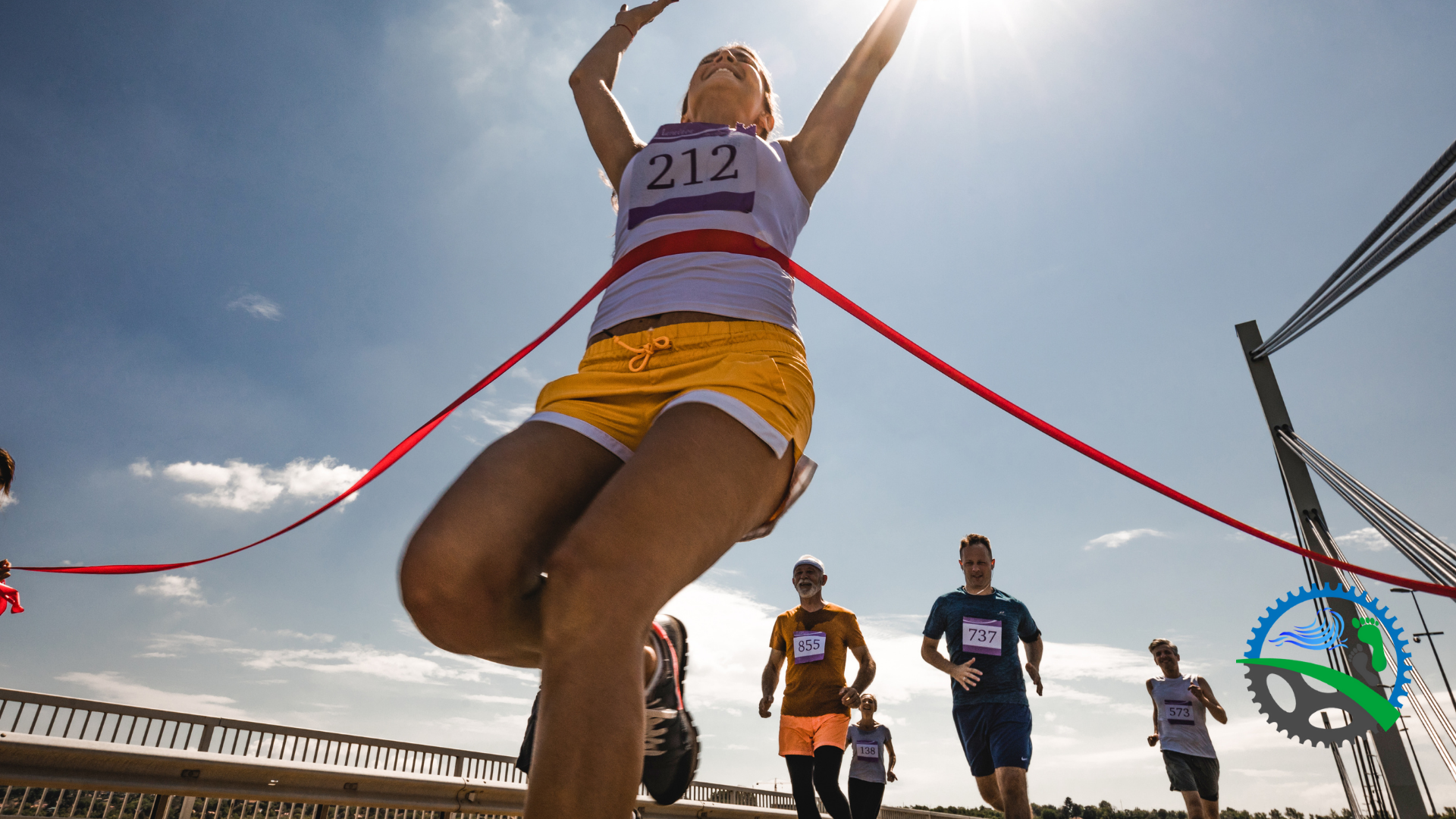
Embarking on a 5k training plan for beginners can be an exciting and transformative journey. As an endurance coach since 2008, I've helped hundreds of budding athletes cross their finish line.
As you progress, your physical capabilities will be enhanced, as will your mental fortitude and determination. This article is here to equip you with the data needed to finish a 5k race successfully.
Check out this free training plan to get started!
In this blog post, we'll explore essential running gear such as choosing the right shoes and appropriate clothing for different weather conditions. We'll delve into building fitness through walks and runs by starting with short daily walks and gradually progressing through a six-week run/walk program.
We'll discuss strength training exercises tailored specifically for runners, emphasizing their importance in preventing injuries while enhancing performance. Additionally, we'll cover rest days and recovery techniques that include dynamic stretching routines to ensure optimal results from your 5k training plan for beginners.
Lastly, we'll touch upon advanced training options for those who wish to make goal race pace or continue challenging themselves beyond their first race. Finally, learn about joining our club or hiring a coach to further enhance your progress toward your goal race pace and becoming an accomplished runner.
Free 5K Training Plan Run Your First Race
Get your FREE 5K Training Plan for Beginners.This plan is in a Google Doc.
You can export it into a PDF or Excel Sheet.
This beginner 5K training plan is for new runners who want to get to the start line prepared and cross the finish line with a smile.
Subscribe
Join our mailing list to receive valuable insights from Coach Steph, along with training tips and updates on our programs and apps. By providing your email address, you consent to receive communications from stephanieholbrook.com. You can opt out at any time.
**Couch to 5K Program**
The Train Happy Couch to 5K program is a popular choice for beginner runners. It guides participants from a sedentary lifestyle to completing a 3.1-mile race in about eight weeks. This structured plan helps build fitness and achieve the goal of running without walking breaks.
**Overview of the Couch to 5K Program**
This novice 5k training plan gradually builds endurance by alternating between running and walking. You'll start with shorter intervals like easy run and walk combos (e.g., run 8 minutes, walk 1, easy run one minute) before progressing towards longer continuous runs (e.g., run 20 minutes).
Each week typically includes three workouts that vary in intensity, duration, and type tempo run - such as interval training or slow jogs.
**Benefits of Following a Structured Training Plan**
To get started with this effective approach toward running speed completing your first race day successfully, invest in proper running shoes and gear tailored for various weather conditions cross training together. Additionally, consider many benefits of joining our club or hiring a coach for personalized guidance, motivation, and accountability throughout your training journey.
**Essential Running Gear**
Proper running gear is a must-have before starting any training plan long run. Invest in comfortable, supportive shoes and suitable clothing for your local climate to prevent injuries and speed up recovery.
**Choosing the Right Running Shoes**
Don't underestimate the importance of selecting the perfect pair of running shoes. Consider factors like cushioning, stability, and fit. Visit a specialty running store where experts can analyze your gait and recommend appropriate options based on your specific needs.
**Selecting Appropriate Clothing for Different Weather Conditions**
Dress appropriately for various climates. For hot weather runs, opt for moisture-wicking fabrics that keep you cool and dry while protecting against chafing. In colder temperatures or wet conditions, layer up with breathable materials that provide insulation without causing overheating.
Don't forget essential accessories like a running hat for sun protection or a headband to keep sweat out of your eyes. Additionally, invest in high-quality socks designed specifically for running to prevent blisters and provide extra support.
**Building Fitness with Walks and Runs**
Begin with an easy run or brief strolls and step by step increment to 30-minute meetings every day if you're new to working out.
A six-week run/walk program can help ease beginners into continuous running by slowly increasing the pace and jogging time while incorporating regular walk breaks.
**Starting with Short Daily Walks**
To kickstart your journey towards an advanced 5k training plan, begin by walking for 10-15 minutes every day.
Gradually build up the length fast pace of your strolls until you can walk at a pace that enables you to converse without feeling winded.
This builds up your cardiovascular endurance, preparing you for more intense physical activity like running.
**Progressing Through a Six-Week Interval Training - Run/Walk Program**
Note that it's essential to listen to your body and adjust this training plan as needed based on how you feel throughout the process. If necessary, extend each phase by an additional week or reduce jogging intervals if they become too challenging. Remember to incorporate strength and interval training into your training schedule, and invest in a good pair of running shoes to prevent injury. Now go out there and just run fast and hard.
**Key Takeaway: **
This article provides a 5k training plan for beginners, starting with short daily walks and progressing through a six-week run/walk program. The plan includes building fitness with walks and runs, gradually increasing jogging time while incorporating regular walk breaks, and listening to your body throughout the process. Remember to invest in good running shoes to prevent injury.
**Strength Training Exercises for Runners**
Incorporating strength-training exercises twice or thrice weekly alongside running workouts improves overall health.
This while teaching varying paces and efforts required for different types of runs. Incorporating strength-training into a running routine can help to mitigate potential harm from overworking, as well as build up endurance.
**The Importance of Strength Training for Runners**
Strength training is essential for runners as it helps develop a strong foundation, which translates into better performance on the track.
It enhances muscle balance, reduces fatigue, and minimizes injuries by strengthening muscles that support joints during running distance. Moreover water running, incorporating regular strength training sessions can increase your power output when you run hard.
**Recommended Exercises Targeting Key Muscle Groups**
Remember always to warm up before any strength training session with a slow jog or dynamic stretches to prevent injuries. Gradually build up your strength training routine, and don't forget to invest in a good pair of running shoes to support your physical activity. Prepare yourself to reach peak performance when you take on the challenge of a race by adding these exercises into your routine.
**Key Takeaway: **
Incorporating strength training exercises alongside running workouts can improve overall health and reduce the risk of injury for beginner runners. Squats, lunges, bridges, plyometric exercises, and core exercises are recommended to target key muscle groups necessary for efficient running form. Remember to warm up before any strength training session and gradually build up your routine with a good pair of running shoes.
**Rest Days and Recovery Techniques**
Taking one full day off from exercise each week allows your muscles adequate recovery time before tackling another workout.
Rest days are essential for preventing injuries and burnout and ensuring that you can progress in your 5K training plan. Incorporate some effective recovery techniques to make the most of these rest days.
**Scheduling Regular Rest Days**
**Dynamic Stretching and Warm-Up Exercises for Recovery**
Incorporating dynamic stretching exercises into both warm-up routines before runs and cool-down sessions afterward helps release muscle tension while increasing blood flow.
This aids in quicker recuperation between sessions. Some recommended stretches include leg swings, arm circles, high knees, and butt kicks.
Here is a list of dynamic stretches worth incorporating into your routine.
Additionally, warming up properly beforehand a hill workout is crucial for avoiding unnecessary strains or sprains later down the line, especially in the final few weeks leading up to race day when stamina levels peak. Tapering off your training is vital to ensure adequate rest prior to the event itself.
**Race Day Preparation**
On the day of your 5K race, it's essential to mentally and physically prepare. Start by eating a light breakfast that provides energy without causing digestive discomfort. Also, drink plenty of water leading up to the 5k race and start time.
Warming up is crucial for optimal performance on race day. Do some gentle warm-up exercises like dynamic stretching or jogging in place for a few minutes before heading to the starting line. This will help loosen your muscles and increase blood flow, reducing the risk of injury during the race.
**Pre-race Nutrition Tips:**
**Warm-up Routine on Race Day:**
Remember, a proper training plan that includes strength training, interval training, and gradually building your own running speed and distance is essential for success on race day.
Don't forget to wear comfortable running shoes and a comfortable pace for yourself during the race. If you need to, take a 1-minute walk break during the race to catch your breath. You got this.
**Advanced Training Options**
If your current training plan is becoming too easy or you're looking to level up, consider trying out more advanced schedules like intermediate six-week programs designed to run faster than for experienced athletes.
Alternatively, explore beginner half marathons full-marathon plans if longer distances appeal to faster runner in you.
**Intermediate Six-Week Training Programs**
An intermediate six-week training program can help you take your running skills to the next level by incorporating more challenging workouts and increasing your pace and intensity during easy runs. These programs often include interval training sessions, hill repeats, and tempo runs that will push your limits and improve your overall performance.
**Beginner Half-Marathon Plans**
If you've conquered the one mile or 5K distance and are ready for an even greater challenge, consider taking on a half-marathon (13.1 miles).
A well-designed beginner half-marathon plan will gradually build your running distance, speed and endurance over 12 to 16 weeks, incorporating long runs, strength training, and rest days to ensure you're prepared for race day.
Remember, patience is key when progressing in tempo run in your running journey. By adhering to a carefully-structured regimen and attending to your body's needs, you can expect great strides in terms of speed of reaching new milestones in tempo running itself.
**Join Our Running Club and Hire a Coach**
For those looking to progress their running. Hire me to help you with a custom program just for you.
**Benefits of Joining a Running Club**
Why Hire Me! :) I love helping athletes.
Whether you're looking to run your first 5k at mile one or improve your race day performance at mile one, our running club and coaches can help you achieve your goals. So lace up your running shoes, start with a slow jog, stretch and let's get started.
**Conclusion**
Starting a 5k training plan can be intimidating, but with the right mindset cross, training, and approach, anyone can train and achieve a great distance toward their goals.
A 6 week 5k training plan is a great start to becoming a solid runner.
Understanding the structure of a Couch to 5K program is key, but don't forget to build an exercise foundation, incorporate strength training and recovery days, and dynamic stretching & warm-up routines.
On race day, be sure to prepare for race pace, and set achievable goals. And if you're feeling ambitious about race distance, there are advanced training options available such as intermediate six-week programs or transitioning to a half-marathon training plan.
Remember, support through coaching & clubs can help keep you motivated and accountable throughout the long run on most days of your journey.
Looking for a shorter training plan? Check out the 6-week 5k training plan pdf.
Stay consistent in your efforts and celebrate each milestone along the way!
Continued Reading
Ready to Take Your Training to the Next Level?
Stop guessing and start progressing. Join our community of endurance athletes who are achieving their goals with expert coaching and support.