High fat-burning rates are crucial in athletic performance, especially in endurance sports. Efficiently utilizing fat as an energy source can help athletes improve their endurance performance and delay fatigue.
As a coach and athlete, enhancing fat oxidation rates has proven immensely beneficial for me and my fellow athletes. Not only does it contribute to a greater sense of well-being, but it also facilitates quicker recovery and continuous improvement in our performance.
Many endurance athletes strive to lose body fat and improve their fat oxidation rates to enhance their performance.
This article will explore some effective strategies for losing fat, improving fat loss and oxidation rates, and optimizing athletic performance.
Regular aerobic exercise is one of the most effective ways to burn fat and train the body to use fatty acids as its primary source of fuel.
Aerobic exercise increases the body's ability to free fatty acids to burn fat by improving the delivery and utilization of oxygen to fat cells.
This, in turn, enhances the body's ability to use fat as a fuel source during prolonged exercise alone. Regular aerobic exercise also helps increase the number and size of mitochondria, which are responsible for producing energy from fat, in muscle cells.
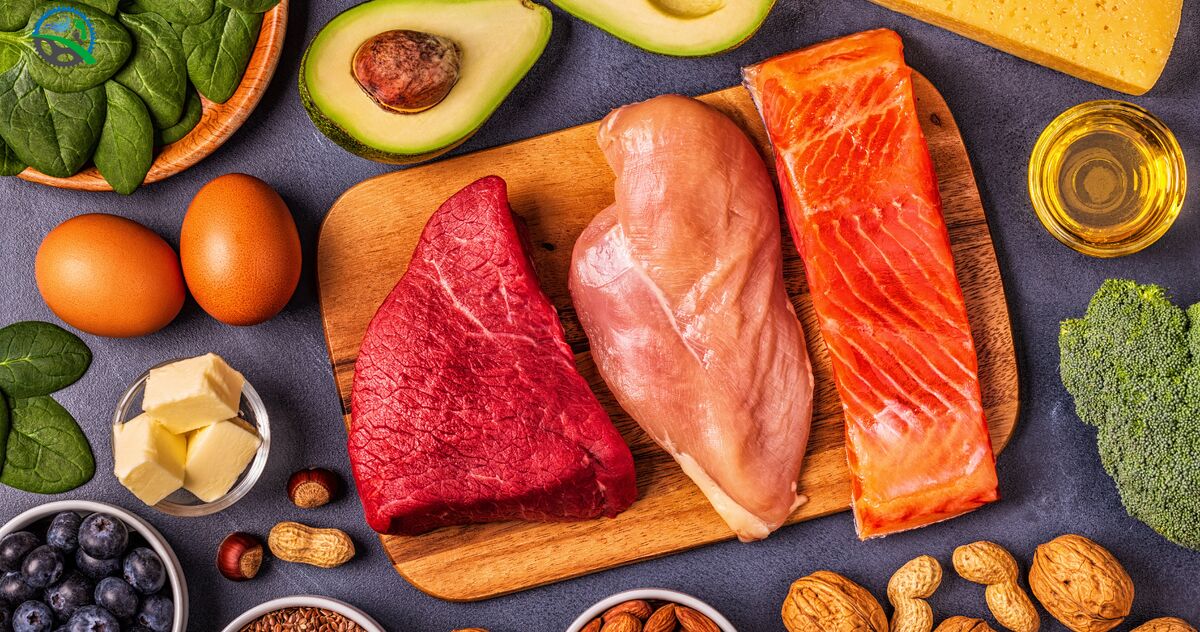
Another strategy to improve fat oxidation rates is to follow a low-carbohydrate, high-fat diet. This type of diet is known as a ketogenic diet and has been shown to increase the body's ability to burn fatty acids as a primary source of fuel.
By reducing carbohydrate intake and increasing fat intake, the body is forced to rely more on fat as a source of energy, which can improve fat oxidation rates.
However, it is important to note that this type of diet should be used strategically and the nutrition periodized to match your training plan and racing goals.
Understanding Fat Oxidation
https://youtu.be/lBrfyowThr4?si=w_JHd0YWXtNdLPZ9
Fat Oxidation for Performance and How to Impact Fat-Oxidation Rates
Fat oxidation is the process by which the body converts stored fat into energy, effectively burning fat. This process of exercise fat oxidation and burning is crucial for endurance athletes as it helps to sustain energy levels during prolonged activities.
Biological Basis of Fat Oxidation
Fat oxidation is the process by which the body converts stored fat into energy. This process of optimizing fat oxidation occurs in the mitochondria of cells and is regulated by a complex series of enzymatic reactions. During this process of substrate oxidation, fatty acids are mobilized from fat cells and transported in the bloodstream to be used by muscle cells as energy.
Fatty acids, broken fatty acids down into smaller molecules fatty acids that the body can use for energy, are the primary fuel source for fat cell oxidation.
Fat Oxidation During Exercise
Several factors can affect the rate of fat oxidation in the body. These include:
Exercise intensity: Base-building training has increased fat oxidation rates, as the body relies more on stored fat for energy.
Duration of exercise: Longer exercise also increases fat oxidation rates, as the body has more time to use stored fat for energy.
Diet: High carbohydrate intake can reduce fat oxidation rates, as the body tends to rely more heavily on carbohydrates for energy. Conversely, a diet high in fat can increase fat oxidation rates.
Genetics: Some individuals may be genetically predisposed to higher or lower fat oxidation rates.
By understanding the biological basis of fat oxidation and the factors that can also affect fat oxidation and its rates, individuals can make informed decisions about their exercise and diet habits to optimize fat oxidation and improve performance.
Nutritional Strategies
Managing carbohydrate intake is crucial, as excessive carbohydrates can increase insulin levels and reduce fat oxidation rates.
Fatty Acids and Macronutrient Composition
The macronutrient composition of a diet can significantly impact fat oxidation rates and improve athletic performance.
A diet that is high in fat and low in carbohydrates has been shown to increase fat oxidation rates during exercise by sparing skeletal muscle and glycogen stores. This is because a high-fat diet enhances the ability of the body to use fat as fuel, which spares glycogen stores and improves during endurance exercise training.
However, it is important to note that a low-carbohydrate diet may not be suitable for all athletes, especially those who engage in high-intensity exercise. Carbohydrates are the primary fuel source for high-intensity exercise, and a lack of carbohydrates can lead to fatigue and decreased performance.
Meal Timing and Frequency
Meal timing and frequency can also impact fat oxidation rates. This is referred to as Periodized Nutrition. Your nutrition plan should match your training hand.
Timing your carbohydrates can either increase your fat stores or augment your fat stores' oxidation rates, which can also improve your performance.
Right Fuel, Right Time – Carbohydrate Manipulation to Make Every Session Count!
Dr. Daniel Plews
Maximal Fat Oxidation Fasting and Ketogenic Diets
Fasting and ketogenic diets have gained popularity in recent years as a way to improve fat oxidation rates and athletic performance. Fasting involves abstaining from food for a certain period of time, while a ketogenic diet involves consuming a high-fat, low-carbohydrate diet.
While some evidence suggests that fasting and ketogenic diets can improve fat oxidation rates, it is important to note that these diets may not be suitable for all athletes. Fasting can lead to decreased energy levels and performance, while a ketogenic diet may not provide enough carbohydrates for high-intensity exercise.
In conclusion, diet macronutrient composition, meal timing and frequency, and fasting and ketogenic diets can all impact fat oxidation rates and athletic performance. Athletes should work with a registered dietitian to develop a nutrition plan tailored to their needs and goals.
Exercise and Training
Increase speed, endurance, and stamina by improving fat oxidation rates.
Aerobic Exercise
Low-intensity exercise intensity Zone 1 and moderate-intensity exercise intensity Zone 2 Training are great ways to increase fat oxidation rates. This type of exercise involves low- to moderate-intensity activities that can be sustained for a longer period of time, such as jogging, cycling, or swimming.
During aerobic exercise, the body uses oxygen to produce energy, resulting in a higher fat oxidation rate.
To maximize the benefits of aerobic exercise, it is recommended to perform it for at least 30 minutes per session, three to five times per week. It is also important to gradually increase the exercise intensity and duration over time to avoid injury and improve overall fitness.
High-Intensity Interval Training
High-intensity interval Training (HIIT) is a type of exercise training that involves short bursts of high-intensity activity followed by periods of rest or low-intensity activity. Due to its high-calorie-burning nature, HIIT is an effective method of losing body fat.
HIIT has been shown to increase fat oxidation rates and improve overall fitness in less time than traditional aerobic exercise.
To perform HIIT, one can choose any exercise, such as running, cycling, or jumping jacks, and alternate between high-intensity bursts and periods of rest or low-intensity activity.
HIIT sessions can last 10 to 30 minutes, depending on fitness level and goals. Sprinkle HIIT into your training. Too much intensity can lead to poor recovery and later injury.
Strength Training
Strength training can further fat loss and improve fat oxidation rates by both exercise metabolism and increasing muscle mass. Muscles are metabolically active tissues, meaning they require more energy to maintain than fat tissue.
By burning fat and increasing muscle mass through strength training, the body's overall energy expenditure increases, resulting in a higher rate of fat oxidation during exercise.
Individuals can utilize weights, resistance bands, or bodyweight exercises like push-ups and squats to enhance a workout regimen with strength training. It is advisable to engage in strength training routines targeting all major and skeletal muscle and groups two to three times weekly.
Fat Metabolism and Lifestyle Modifications
Certain lifestyle modifications can help improve fat oxidation rates and enhance performance. These lifestyle changes can help individuals achieve maximal fat oxidation rates, enhancing overall performance. Here are some recommendations:
Sleep Optimization
Getting enough sleep is crucial for optimal health and performance. Lack of sleep can negatively affect metabolism and hormone levels, leading to decreased fat oxidation rates.
Therefore, it is recommended to aim for 7-9 hours of sleep per night and establish a regular sleep schedule. Additionally, avoiding caffeine and alcohol before bedtime can help improve sleep quality.
Stress Management
Chronic stress can lead to increased levels of cortisol, a hormone that can impair fat metabolism. Therefore, managing stress levels is important for improving fat oxidation rates.
Some effective stress management techniques are yoga, meditation, deep breathing exercises, and regular exercise. It is also important to prioritize relaxation and self-care activities to reduce stress.
By implementing these lifestyle modifications, individuals can enhance their fat oxidation rates and overall performance.
Supplementation
Supplementation can be a useful tool for improving fat oxidation substrate metabolism rates and overall performance.
However, it is important to note that supplements should not be relied upon as the sole method for achieving these goals. Rather, they should be used with a healthy diet and exercise regimen.
Natural Supplements
Several natural supplements have been shown to improve fat oxidation rates. These include:
Vespa - Amino Acid Peptides: increase rates of aerobic cellular metabolism by increasing net ATP production in various eukaryotes.
Carnitine: Carnitine is an amino acid that helps transport fatty acids, which can be oxidized for energy, into the mitochondria.
Exogenous ketones: Omega-3s have been shown to increase fat metabolism rates during exercise and improve overall cardiovascular health.
Performance-Enhancing Supplements
In addition to natural supplements, several performance-enhancing supplements can improve fat oxidation rates and overall athletic performance. These include:
Caffeine: Caffeine has been shown to increase fat oxidation rates during exercise and improve overall endurance.
Beta-alanine: Beta-alanine is an amino acid that can improve muscle endurance and delay fatigue during high-intensity exercise.
Creatine: Creatine is a compound that can help improve muscle strength and power, which can lead to improved athletic performance.
It is important to note that while these supplements can be effective, they should be used in moderation and with caution. It is always best to consult with a healthcare professional before beginning any new supplement regimen.
Monitoring Progress
Monitoring progress is an important aspect of improving fat oxidation rates to enhance performance. By tracking changes in body composition and metabolic function, athletes can assess the effectiveness of their training and nutrition strategies.
Body Composition Analysis
Body composition analysis provides valuable information about changes in the human skeletal muscle amount, mass and body fat percentage. This can be done using various methods such as skinfold calipers, bioelectrical impedance, or dual-energy x-ray absorptiometry (DEXA).
Tracking changes in body composition over time can help athletes determine if they are losing fat mass while maintaining or gaining muscle mass. This is important because increasing muscle mass can enhance fat oxidation rates during exercise.
Metabolic Testing
Metabolic testing can provide insight into an athlete's metabolic function and energy expenditure. Various methods, such as indirect calorimetry or lactate threshold testing, can be used.
Indirect calorimetry measures the amount of oxygen consumed and carbon dioxide produced during exercise to determine the athlete's metabolic rate and substrate utilization.
This information can be used to optimize training and nutrition strategies to improve fat oxidation rates. Lactate threshold testing measures the increase in exercise intensity at which lactate begins to accumulate in the blood.
This can be used to determine the athlete's optimal training zones and improve fat metabolism rates during exercise.
By regularly monitoring changes in body composition and metabolic function, athletes can make adjustments to their training and nutrition strategies to maximize fat oxidation rates and enhance performance.
Advanced Techniques
Cold Exposure
Cold exposure is an advanced technique that can improve fat metabolism and use fatty acids for fuel. It can increase the number of mitochondria in the body, which can help to improve fat oxidation rates.
Cold exposure can also increase the activity of brown adipose tissue, which can help burn more fat. There are many ways to expose the body to cold, such as taking cold showers or baths.
Another way is to wear cold vests or immerse the body in cold water, which elicits maximal fat oxidation. To avoid injury, it is important to start slowly and gradually increase the exposure time.
Altitude Training
Altitude training is another advanced technique that can improve fat oxidation rates. It can increase the number of red blood cells in the body, which can help improve blood flow and oxygen delivery to the muscles.
There are many ways to do altitude endurance training. One way is to live at high altitude for several weeks. Another way is to simulate high altitude using a hypoxic tent or mask.
Working with a qualified coach or trainer is important to ensure safety and effectiveness during endurance training.
Overall, cold exposure and altitude training are advanced techniques that can improve fat oxidation rates. To maximize results, these techniques should be used in conjunction with a well-designed training program and proper nutrition.
Ready to Take Your Training to the Next Level?
Stop guessing and start progressing. Join our community of endurance athletes who are achieving their goals with expert coaching and support.