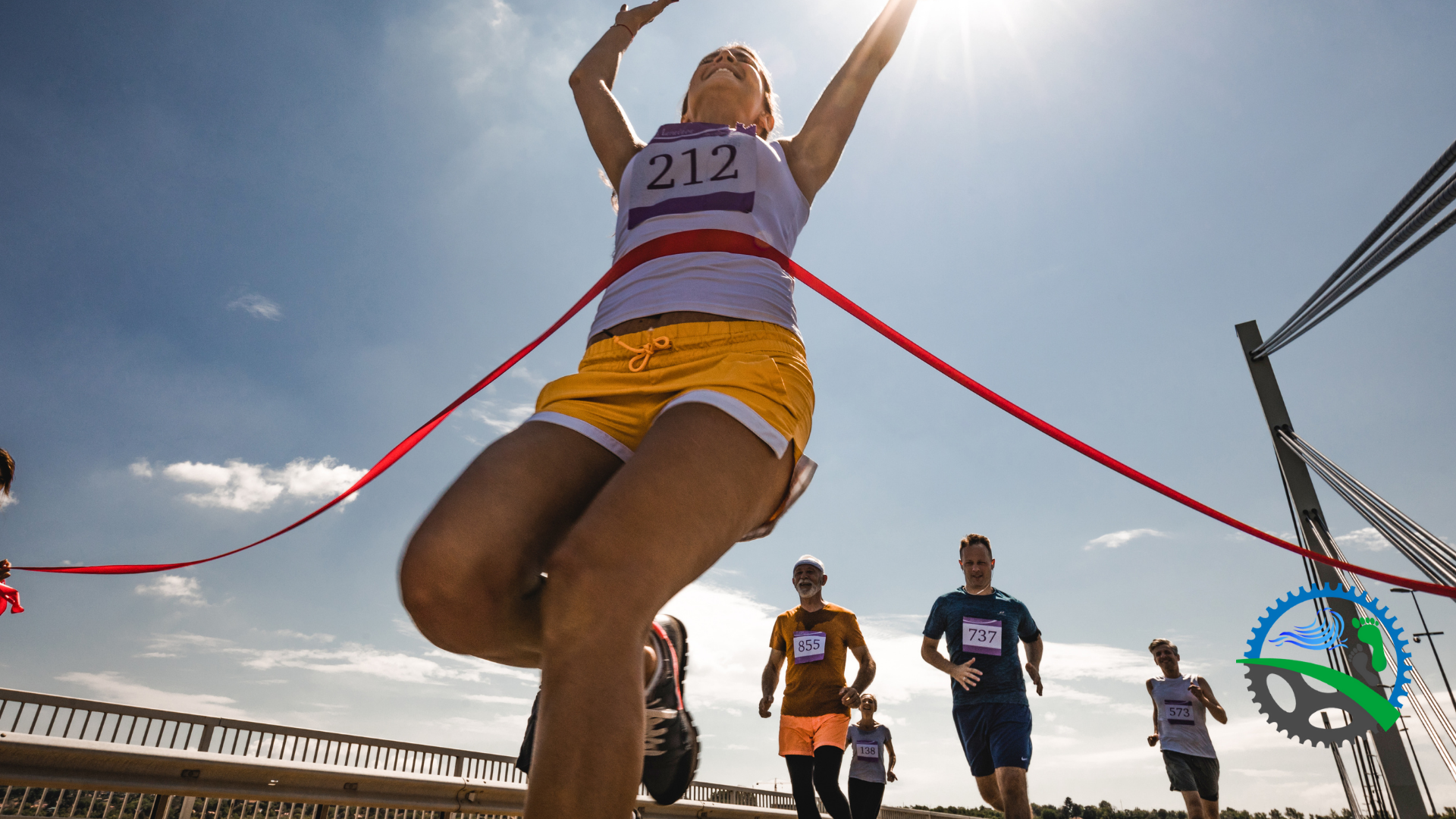
Many runners set their sights on completing a 15K or 10-mile race as a significant accomplishment in their running journey.
However, preparing for such a distance requires a structured training program that gradually builds endurance and strength, tailored to the runner's fitness level.
This article introduces different training programs for the 15-kilometer and 10-kilometer distances and outlines their key components.
One of the critical aspects of a successful 15K or 10-mile training program is consistency.
Runners need to commit to a regular training schedule, gradually increasing the distance and intensity of their runs.
FREE 15K and 10 Mile Training Program
Free 15K and 10 Mile Training Program in Google Sheets, Free Download PDF, in EXCEL.
Get Training Plan
By joining our mailing list, you will receive valuable insights from Coach Steph, along with training tips and updates on our programs and apps. By providing your email address, you consent to receive communications from stephanieholbrook.com. You can opt out at any time.
The training programs outlined in this article will provide runners with a structured plan to follow, ensuring they remain on track and avoid injury.
Strength Training for the 15K and 10 Mile Training
Strength training is another essential element of training for a 15K or 10-mile race. Runners must build their strength to support their running performance and prevent injury.
The training programs discussed in this article will provide runners with strength exercises to incorporate into their training, helping them to develop the necessary muscular endurance to complete the race.
Additionally, incorporating recovery days into the training plan is crucial to prevent overtraining and injury, allowing athletes to rest and prepare for upcoming workouts while maintaining peak physical condition.
Understanding the Race Distance
Understanding the race distance is crucial for any runner, whether you’re a beginner or an experienced athlete. A 15K or 10-mile race is a significant distance that requires proper training and preparation. Knowing the exact distance you’ll be running helps you plan your training schedule effectively.
A 15K is approximately 9.3 miles, while a 10-mile race is 10 miles. This knowledge allows you to determine the miles you need to run each week, the intensity of your workouts, and the frequency of your rest days.
By understanding the race distance, you can tailor your training plan to gradually build up your endurance and ensure you’re adequately prepared for race day.
Benefits of Training for 15K and 10 Mile Race
Training for a 15K or 10-mile race offers numerous benefits for runners. One of the most significant advantages is the improvement in cardiovascular endurance.
Regular long-distance running increases your stamina, allowing you to perform daily tasks with more energy and efficiency. Additionally, training for these distances helps build mental toughness and discipline, essential for overcoming challenges and achieving your goals.
Furthermore, running long distances improves your running form, reducing the risk of injury and enhancing your overall running experience. By committing to a 15K or 10-mile training program, you’ll not only prepare for the race but also enjoy the long-term health benefits of improved fitness and mental resilience.
Fundamentals of Distance Running
Understanding Energy Systems
Distance running requires the body to rely on different energy systems to fuel the muscles.
The three main energy systems are the ATP-PC system, the anaerobic glycolytic system, and the aerobic system.
The ATP-PC system provides energy for short bursts of activity, the anaerobic glycolytic system provides energy for high-intensity exercise lasting a few minutes, and the aerobic system provides energy for endurance activities lasting longer than a few minutes.
Principles of Training
To improve distance running performance, it is important to follow training principles. These include specificity, overload, progression, and recovery.
Specificity means that the training should be geared towards the specific demands of distance running. Overload means that the training should be challenging enough to cause adaptations in the body.
Progression means that the training should gradually increase in intensity and volume over time. Recovery means the body needs time to rest and recover between training sessions.
Running Form and Economy- 15K and 10 Mile Training
Efficient and economical running form are essential for distance runners. Good running form includes proper posture, arm swing, and foot strike. As a Pose Method Running Technique Specialist, I have seen amazing results with athletes who made minor tweaks to their running form.
Economy refers to the amount of energy required to maintain a certain pace. Improving running economy can be achieved through strength training, plyometrics, and drills that focus on improving running mechanics.
In summary, distance running involves relying on different energy systems, following the principles of training, and improving running form and economy.
By understanding these fundamentals, runners can improve their performance and reach their goals.
15K Training Program Overview
The 15K training program is designed for intermediate runners who have completed a 10K race and are looking to challenge themselves with a longer distance.
The program typically lasts for 8-12 weeks and includes a mix of easy runs, tempo runs, speed work, and long runs. The goal of the program is to build endurance, speed, and strength to prepare runners for the 15K race.
Weekly Training Breakdown
The 15K training program typically includes 4-5 days of running per week, with 1-2 days of cross-training and 1-2 days of rest. The weekly breakdown may look something like this:
Monday: Strength Training
Tuesday: Hills
Wednesday: Tempo run (3 miles at race pace to enhance speed and endurance)
Thursday: Intervals - Speed Work
Friday: Rest
Saturday: Long run (gradually increasing distance up to 9 miles)
Sunday: Cross-train (Yoga, Cycling, Swimming)
Key Workouts
The 15K training program includes several key workouts that are designed to build speed, endurance, and strength. These workouts may include:
Tempo runs: These runs are done at a challenging but sustainable pace, usually for 3-4 miles. They help build endurance and improve lactate threshold.
Speed work: This includes intervals or hill repeats, which help improve speed and running economy.
Long runs: Gradually increasing the distance of the long runs helps build endurance and mental toughness.
Easy runs: These runs are done at a comfortable pace and help with recovery and building aerobic fitness.
Cross-Training and Recovery
Cross-training is an important part of the 15K training program. Incorporating short distance races can also be beneficial for beginners, as they require less training and time commitment compared to longer races. It helps prevent injury, build strength, and improve overall fitness.
Cross-training activities may include cycling, swimming, yoga, or strength training. Recovery is also important, and runners should incorporate rest days and easy runs into their training schedule to allow their bodies to recover and reduce the risk of injury.
10 Mile Training Program
Program Structure
The 10-Mile Training Program is designed to gradually increase the distance and intensity of running over a 12-week period.
It consists of five running sessions per week, with one rest day and one cross-training day.
This program can also serve as a stepping stone for those aiming to complete their first half marathon, helping to build the necessary endurance and confidence.
The program is suitable for intermediate-level runners who have already completed a 5K or 10K race.
Essential Sessions
The program includes essential sessions such as long runs, tempo runs, interval training, and easy runs. Over 10 weeks, the length of the long runs gradually increases from 5 miles to 10 miles.
Tempo runs are included to improve lactate threshold and running economy. Interval training improves speed and endurance. Easy runs aid recovery and improve aerobic fitness.
Tapering Strategy
The program includes a tapering strategy in the final two weeks before the race.
The tapering period involves reducing the volume and intensity of running to allow for recovery and peak performance on race day.
It is important for reducing fatigue and injury risk while maintaining fitness levels.
Injury Prevention
Injury prevention is an important aspect of the 10-Mile Training Program, which includes a warm-up and cool-down routine before and after each session.
Strength training exercises are also included to improve muscular endurance and prevent injury. The program also emphasizes the importance of proper footwear, hydration, and nutrition to aid recovery and prevent injury.
Overall, the 10-mile Training Program is well-structured and effective for intermediate-level runners who want to improve their running performance and complete a 10-mile race.
Overcoming Challenges When Training for the 15K and 10 Mile Events
Overcoming challenges is an essential part of training for a 15K or 10-mile race. One of the most significant challenges runners face is building up their endurance.
To tackle this, start with a well-structured training plan that gradually increases your mileage and intensity over time.
Another common challenge is staying motivated and avoiding burnout. Mixing up your training routine with cross-training workouts, strength training, and rest days can help prevent boredom and overtraining.
Cross-training activities like cycling, swimming, or yoga can provide a refreshing change while still building your fitness.
Nutrition and hydration are also critical; focus on fueling your body with a balanced diet and staying hydrated throughout your training. You’ll be better prepared to reach your race day goals by addressing these challenges head-on.
Advanced Training Techniques
For experienced runners looking to take their training to the next level, advanced training techniques can make a significant difference.
Interval training, which involves alternating between high-intensity running and active recovery periods, can improve your running efficiency, increase your speed, and enhance your endurance.
Hill repeats, where you run up a hill at high intensity and recover by walking or jogging back down, can boost your running strength, power, and endurance.
Incorporating strength training into your routine, focusing on exercises that target your core, glutes, and legs, can improve your running form, reduce the risk of injury, and enhance overall performance. Integrating these advanced techniques into your training plan allows you to push your limits and achieve new personal bests.
Nutrition and Hydration
Dietary Guidelines
Proper nutrition is crucial for runners to perform at their best during training and races.
The 15K and 10-mile training programs require a nutrient-dense diet.
Runners should aim to consume a nutrient-dense diet that includes essential amino acids and fatty acids.
Protein is also essential for muscle recovery and repair, and runners should aim for quality sources such as grass-fed beef, pasture-raised pork, chicken, and wild-caught fish.
Healthy fats in tallow, lard, coconut, and palm oil can provide additional energy and support overall health.
In addition to macronutrients, runners should also pay attention to their intake of vitamins and minerals. Iron, calcium, and vitamin D are particularly important for runners and can be obtained through a balanced diet or supplements if needed.
Hydration Strategies
Proper hydration is essential for runners, especially during long training runs and races. To maintain proper hydration levels, runners should drink water before, during, and after their workouts.
During longer runs, runners may also benefit from consuming sports drinks that contain electrolytes to replenish those lost through sweat.
However, individual hydration needs may vary based on factors such as weather conditions and sweat rate.
Runners should also be aware of the signs of dehydration, which can include thirst, dark urine, and fatigue. If dehydration is suspected, stopping running and rehydrating immediately is important.
Proper nutrition and hydration are essential components of a successful 15K or 10-mile training program. By following these guidelines, runners can ensure they are fueling their bodies for optimal performance.
Mental Preparation
Setting Goals
Before starting any training program, setting realistic and achievable goals is important. Goals provide direction and focus, which can help keep athletes motivated throughout their training.
When setting goals, it is important to consider both short-term and long-term objectives.
Short-term goals should be specific and measurable, such as completing a certain number of miles per week or improving running pace by a certain amount.
Long-term goals should be more general, such as completing a 15K race or finishing a 10-mile run.
Mental Toughness
Mental toughness is a crucial aspect of any training program. It refers to staying focused and motivated, even when faced with challenges or setbacks.
Developing mental toughness takes time and practice, but it can be achieved through various techniques.
One effective way to develop mental toughness is through positive self-talk. Athletes should use positive and encouraging language when talking to themselves during training and on race day. Visualization is another powerful tool for building mental toughness.
Athletes can visualize themselves achieving their goals and overcoming obstacles, which can help them stay motivated and focused.
Overall, mental preparation is just as important as physical preparation when it comes to training for a 15K or 10-mile race. Setting goals and building mental toughness can help athletes stay motivated and focused throughout their training, ultimately leading to success on race day.
Gear and Equipment
Choosing the Right Shoes
When it comes to running, having the right shoes is crucial. The shoes should fit well, provide enough support, and be appropriate for the type of terrain you'll be running on. For a 15K or 10-mile race, it's recommended to wear shoes with good cushioning to absorb shock and reduce the risk of injury. Look for lightweight and breathable shoes to keep your feet cool and comfortable during the race.
Running Apparel
Choosing the right running apparel is also important for a successful race. The clothing should be comfortable, moisture-wicking, and provide enough ventilation to keep you cool.
For a 15K or 10-mile race, wearing clothes that are not too tight or loose is recommended, allowing for a full range of motion. A good pair of running shorts or leggings, a breathable shirt, and a lightweight jacket or vest are all essential items to consider.
Technology and Apps
Technology and apps can be helpful tools for tracking progress and staying motivated during training. A GPS watch or fitness tracker can help you keep track of your pace, distance, and heart rate during training runs.
Many running apps are also available that can help you set goals, track progress, and connect with other runners. Some popular running apps include Nike Run Club, Strava, and Runkeeper.
Finding the technology and apps that work best for you and your training needs is important.
Race Day Preparation
Preparing for race day is crucial for any runner. It can mean the difference between a successful race and a disappointing one. Here are some tips to help runners prepare for race day.
Warm-Up Routine
A proper warm-up routine is essential to prevent injuries and prepare the body for the race. A good warm-up should include light jogging, dynamic stretching, and some strides.
It is important to start the warm-up routine at least 30 minutes before the race to give the body enough time to warm up.
Pacing Strategies
Pacing is critical in any race. Runners should have a pacing strategy in mind before the race starts. It is important to start the race at a comfortable pace and gradually increase the speed.
Runners should avoid starting too fast as it can lead to fatigue and burnout later in the race.
Post-Race Recovery
Recovery after the race is just as important as preparation before the race. Runners should take some time to cool down after the race by walking or light jogging.
It is also important to stretch and hydrate the body. Runners should avoid sitting or lying down immediately after the race as it can cause cramping and stiffness.
In summary, preparing for race day is crucial for any runner. A proper warm-up routine, pacing strategy, and post-race recovery can help runners achieve their goals and avoid injuries.
Ready to Take Your Training to the Next Level?
Stop guessing and start progressing. Join our community of endurance athletes who are achieving their goals with expert coaching and support.